
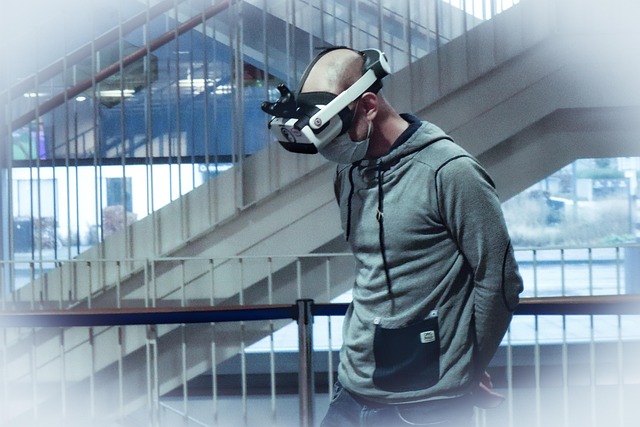

Slip on a headset, tighten the straps, and watch the real world melt away as the arena materializes around you. The moment those virtual lights ignite, the controller hums, and the crowd’s digital roar echoes in your ears, it becomes clear that VR games are doing far more than offering novel entertainment—they are rewriting the very architecture of competitive gaming. On every major platform, from purpose-built VR arcades to cloud-connected living rooms, athletes and fans feel an unprecedented sense of presence that flat-screen titles simply can’t replicate.
The Immersive Leap That Changes Everything
Traditional eSports rely on lightning-fast clicks and razor-sharp reactions displayed on a monitor. VR games layer full-body motion, spatial audio, and 360-degree awareness on top of those core skills. Blocking a projectile in a futuristic arena demands not only strategic timing, but a physical duck or lunge that leaves a player’s heart racing. Gamers who once trained thumbs and wrists now condition their entire bodies, bridging the gap between digital sport and physical athletics.
This holistic immersion fosters a deeper emotional connection for spectators as well. A viewer doesn’t just watch an avatar swing a sword—they watch a real competitor pivot, dodge, and strike, all streamed through first-person POV cams that make every move visceral. Platforms that integrate mixed-reality overlays even composite players directly into the virtual battlefield, letting fans read micro-expressions and posture in real time.
New Competitive Formats Born in Virtual Space
With room-scale arenas and limitless digital canvases, developers are no longer bound by traditional map design. Battlefields can morph mid-match, gravity can flip on command, and spectator-controlled hazards can pop into existence at pivotal moments. These mechanics reshape tournament meta every season, rewarding adaptability over rote memorization. Some platforms support cross-title leagues where athletes face a triathlon of different VR games in one bracket—think saber dueling, zero-G dodgeball, and mech piloting back-to-back, all tracked via one universal ranking system.
Infrastructure: The Platform at the Core
Behind the headsets lies a sophisticated backbone of cloud servers, low-latency streaming, and haptic feedback networks. Competitive integrity hinges on sub-30-millisecond response times, so platform providers invest heavily in edge computing nodes scattered near major tournament hubs. Meanwhile, open APIs allow accessory makers to introduce new peripherals—force-feedback vests, omnidirectional treadmills, even scent emitters—that plug seamlessly into league rulebooks.
Monetization also evolves: thanks to persistent avatars and blockchain-backed skins, players earn tradable trophies that move fluidly across VR games on the same platform. Sponsors drop interactive billboards inside arenas, and fans purchase “cheer particles” to shower their favorite pros in virtual confetti, turning support into a revenue stream.
Community and Spectatorship in a Shared Space
No longer passive chat watchers, spectators join as volumetric silhouettes in upper decks, high-five seat neighbors, and walk the concourse during halftime to buy signed 3D memorabilia. Social hubs linked to major tournaments stay open 24/7, hosting after-match analysis shows where analysts draw holographic arrows around clutch plays. Amateur leagues thrive because the same matchmaking algorithm that pairs pros at LAN events slots casual friends into weekend brackets, offering a clear ladder from living-room hero to world-stage contender.
Challenges and the Path Forward
Motion sickness, hardware cost, and guardian-system safety remain hurdles, yet iterative improvements arrive every development cycle. Eye-tracking foveated rendering drops device prices, while AI referees monitor play areas to prevent collisions. Regulatory bodies codify health standards, ensuring that training regimens respect player well-being. As platforms refine these elements, adoption accelerates, and the frontier of eSports feels more tangible than ever.